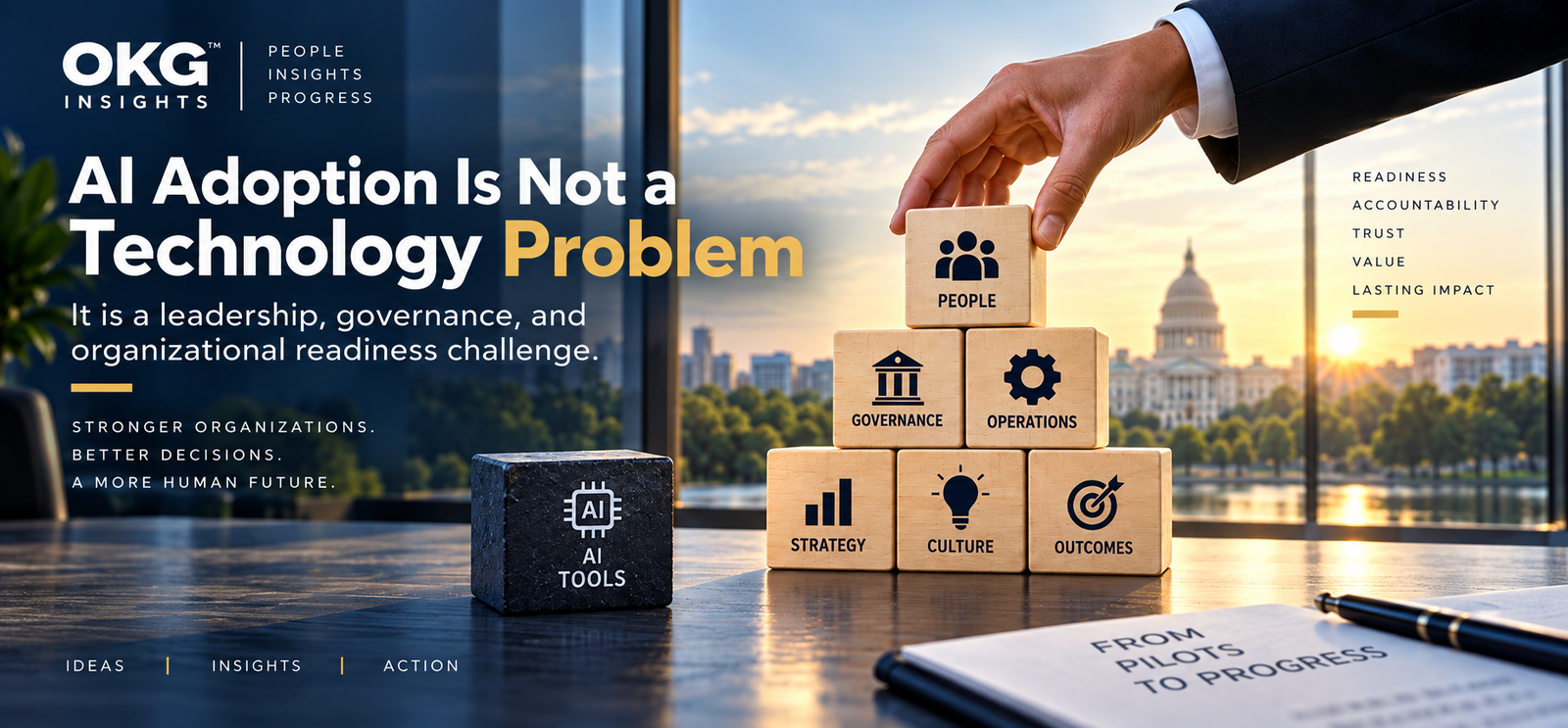

AI governance is moving beyond policies and principles. As AI becomes embedded in everyday operations, leaders need practical structures for accountability, oversight, risk management, and responsible decision-making.
In the early stages of AI adoption, governance may have been treated primarily as a compliance or legal concern. Today, that approach is no longer sufficient. AI systems can influence customer interactions, employee decisions, operational processes, risk assessments, recommendations, and strategic planning. This means governance must become part of normal organizational operations rather than a separate activity handled only by technical, legal, or compliance teams.
A practical AI governance model begins with accountability. Organizations need to define who is responsible for approving AI use cases, monitoring performance, reviewing risks, responding to incidents, and ensuring that systems continue to operate as intended. Without clear ownership, organizations may struggle to understand who should act when problems emerge.
Risk management is another essential component. AI can introduce risks related to inaccurate outputs, bias, privacy, security, explainability, data quality, regulatory requirements, and overreliance on automated systems. These risks are not static. They can change as models are updated, data changes, business processes evolve, or employees begin using AI in new ways. Effective governance therefore requires continuous monitoring rather than one-time approval.
Operational governance also means creating practical controls that employees can understand and follow. Policies need to be translated into procedures, decision rights, escalation paths, documentation requirements, and review processes. If governance exists only at a conceptual level, it may have little effect on how AI is actually used.
Another important challenge is balancing control with innovation. Governance should not be designed simply to slow down AI adoption. Instead, it should help organizations use AI with greater confidence by clarifying what is allowed, what requires review, and what risks need additional controls. Strong governance can make innovation more sustainable by reducing uncertainty and improving decision-making.
Leadership involvement remains critical. AI governance cannot be delegated entirely to technology teams because many of the most important questions are organizational. Leaders must consider how AI aligns with strategy, how decisions are made, what risks are acceptable, and where human judgment must remain central.
As AI becomes part of routine operations, governance will increasingly resemble other management disciplines. It will require clear roles, regular review, performance monitoring, risk controls, and continuous improvement. Organizations that treat AI governance as an operating capability will be better prepared to manage complexity and support responsible adoption at scale.
The central question is no longer whether organizations need AI governance. The more important question is whether governance is integrated deeply enough into everyday operations to influence real decisions, behaviors, and outcomes.